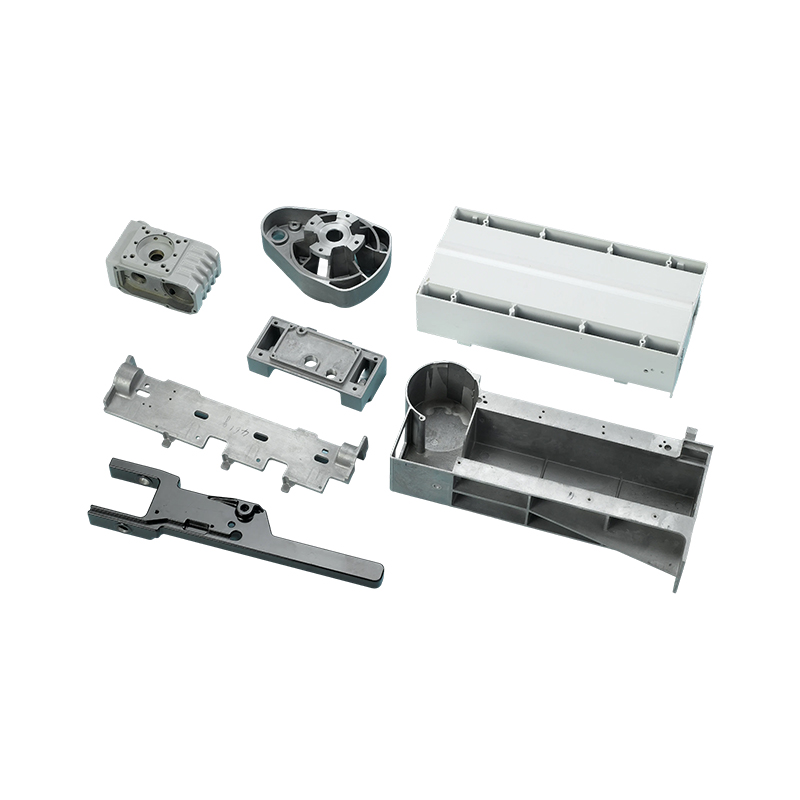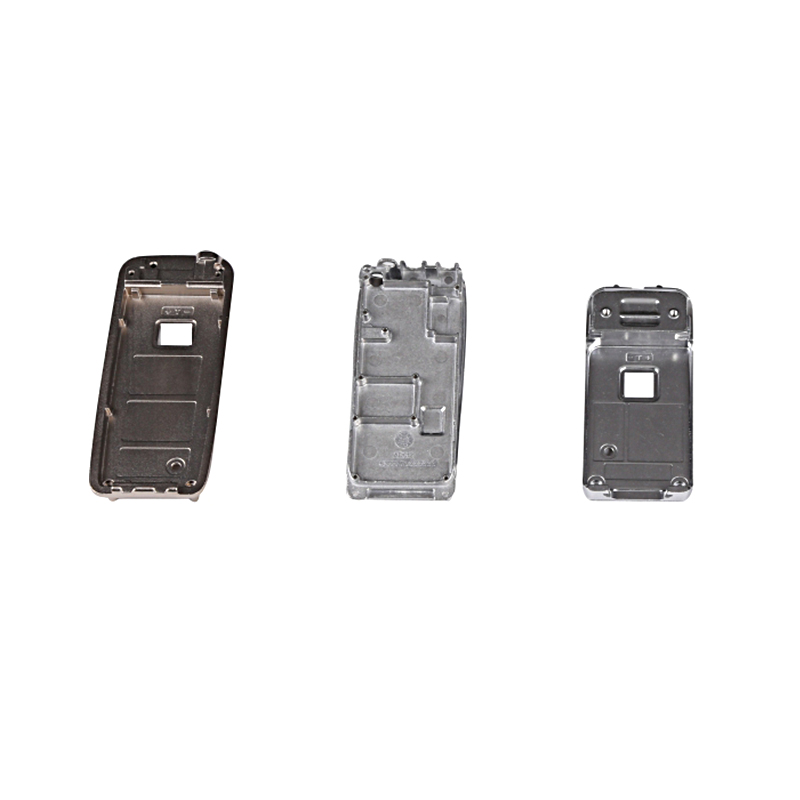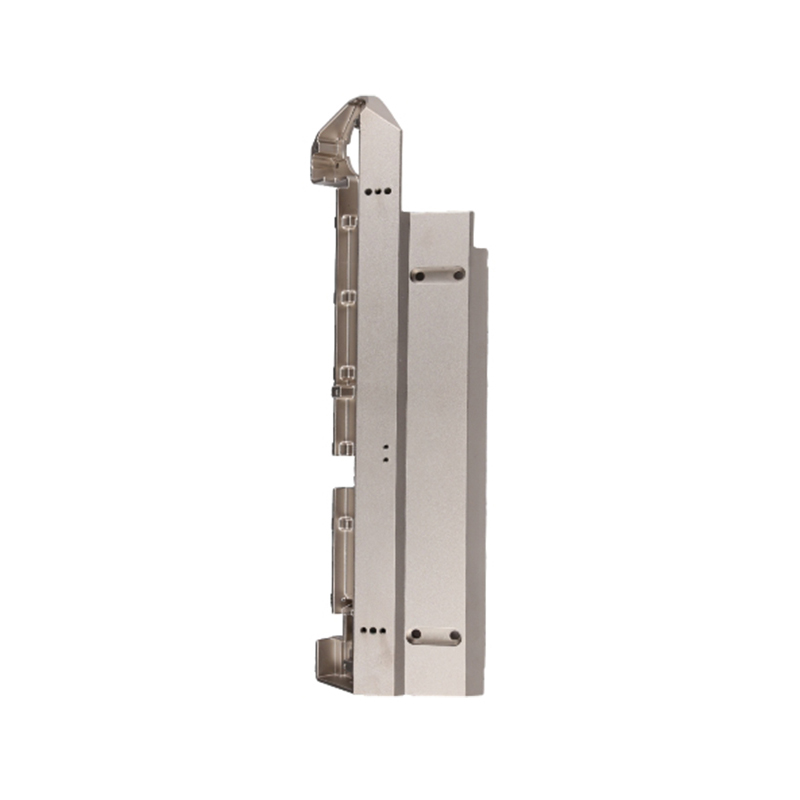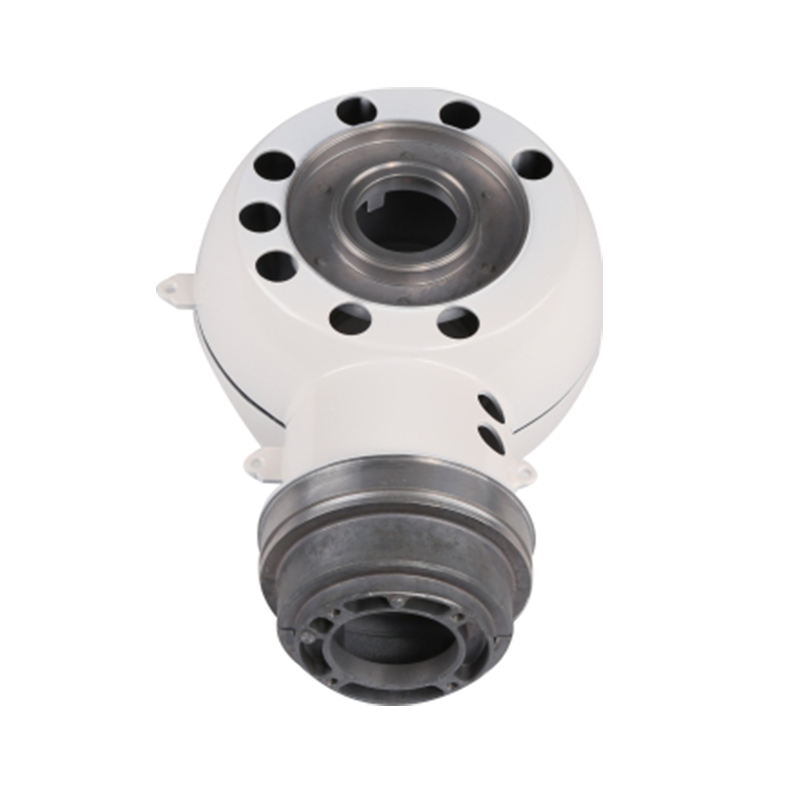
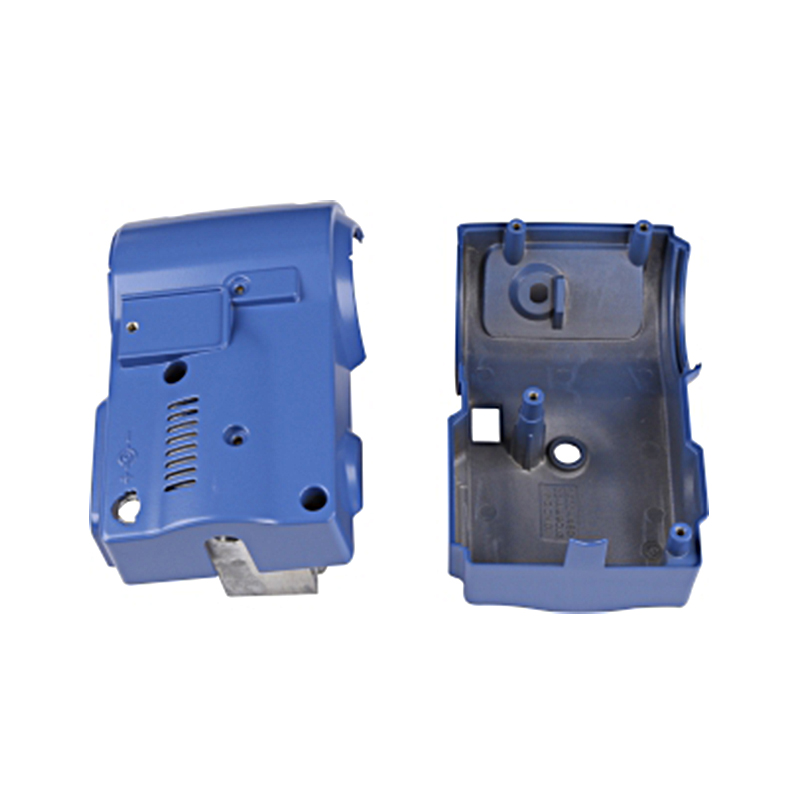
Whether it's the optical support of a spectrometer, the rotor housing of a centrifuge, or the positioning base of a microfluidic chip, their core structural components are often manufactured using laboratory instrument die castings and molds.
Through the synergy of material innovation, structural optimization, and advanced manufacturing processes, textile machinery die castings and molds are achieving a leap from "heavy-load redundancy" to "lightweight and efficient," significantly reducing ov
Traditional direct gating systems can cause molten metal to rush directly into the corners of the mold cavity, leading to localized overheating and stress concentration.
The core function of the gating system is to guide the molten metal to fill the cavity in an orderly manner and to provide continuous feeding pressure during the solidification stage.
In today's home appliance market, where lightweight, energy-efficient, and aesthetically pleasing designs are increasingly prioritized, the reduction in the thinness of home appliance die castings has become a significant trend in product design.
In the context of rapid development in modern robotics technology, the performance of core structural components directly determines the overall response speed, motion accuracy, and long-term reliability of robots, whether they are high-speed industrial r