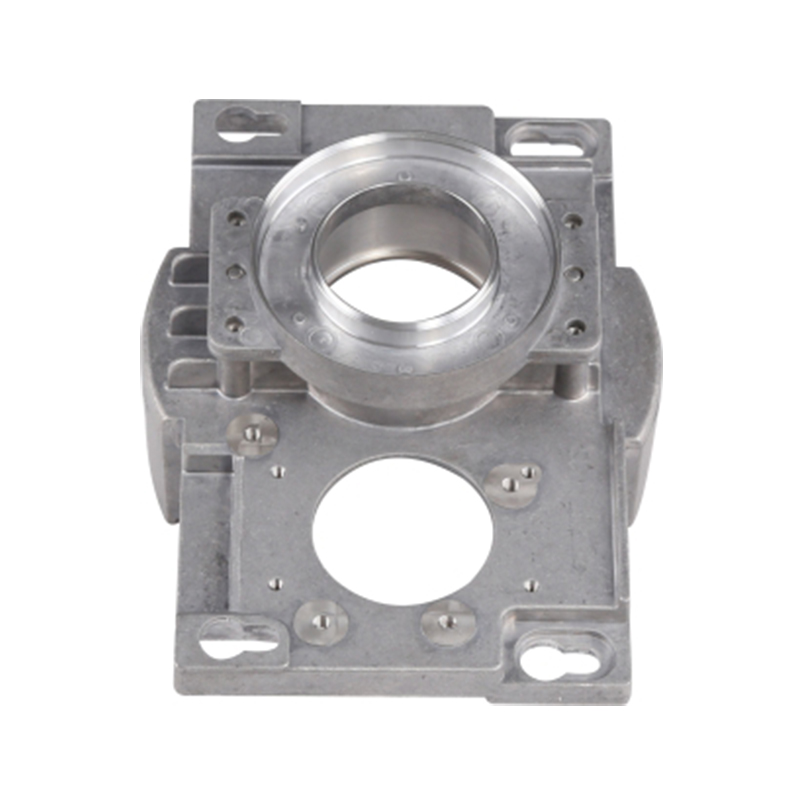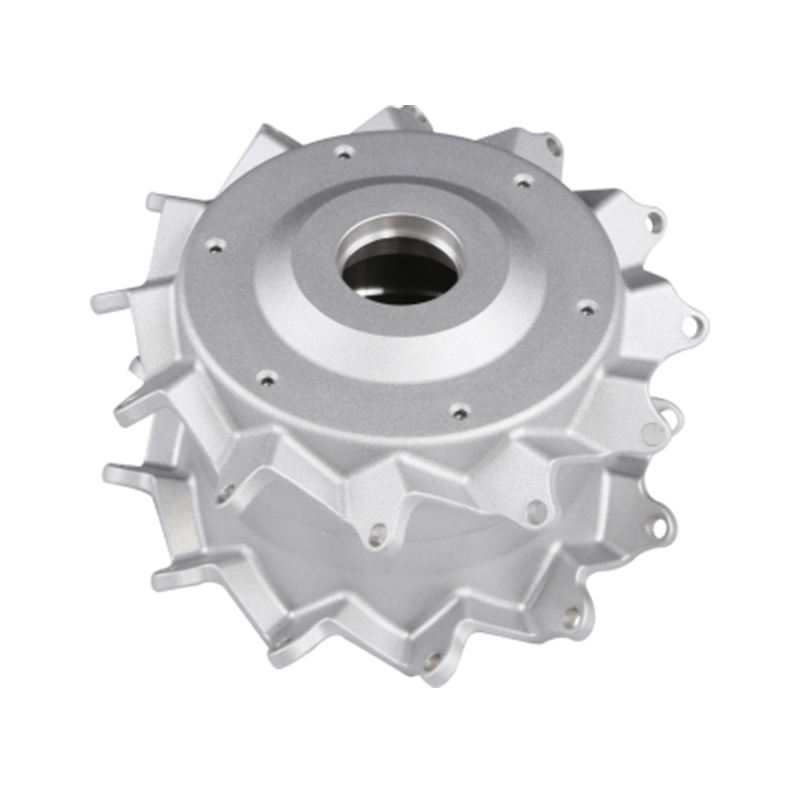
The unique advantages of textile machinery die castings and molds do not stem from outstanding single performance characteristics, but rather from the systematic integration of precision, strength, consistency, lightweight, and integration.
In the precision structures of modern industrial robots, collaborative robots, and even service robots, robot die castings and molds play a dual role as both the "skeleton" and the "nerve pathway."
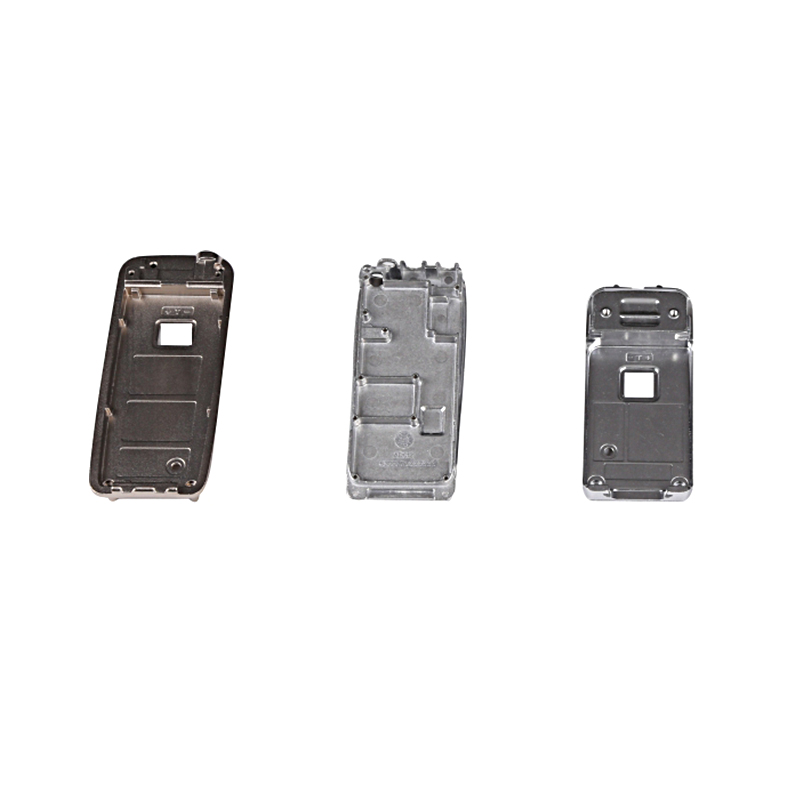
As key structural components, electronic communication die castings and molds are widely used in communication base stations, server chassis, RF modules, and other scenarios. Their electromagnetic shielding effectiveness directly affects the overall perfo
Robot die castings and molds are widely used in the manufacturing of core robot structural components due to their high efficiency, high precision, and good surface quality.
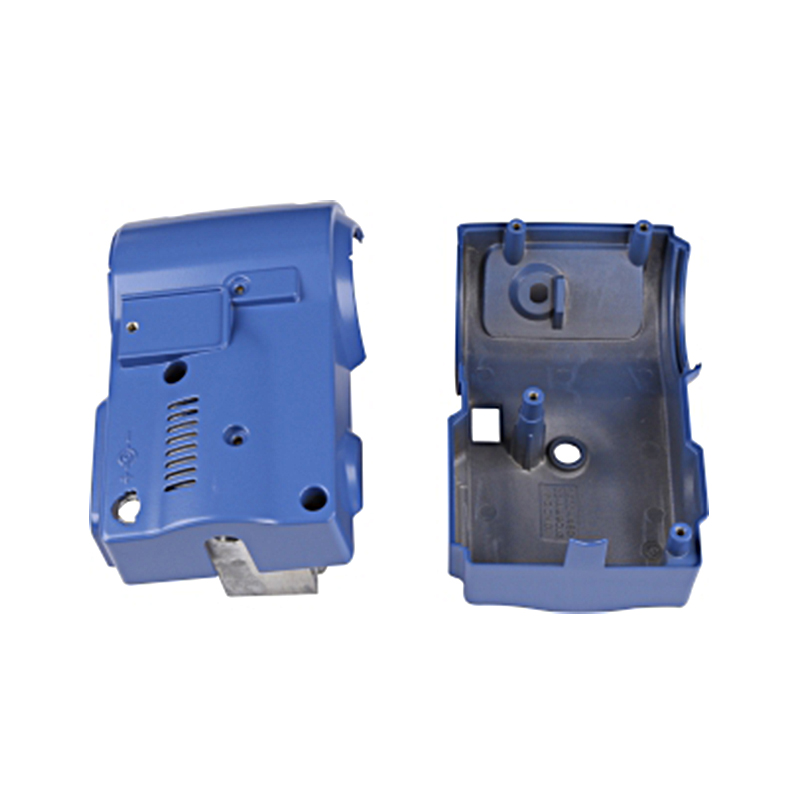
Laboratory instrument die castings and molds place extremely high demands on the mechanical strength and electromagnetic compatibility of their structural components.
In the field of industrial dust control, the self-excited wet dust collector is widely used in high-concentration dust environments such as casting, metallurgy, boilers, and material conveying due to its compact structure, lack of external spray pumps, an